
When the workweek ends, most Brits want a quick, hassle‑free way to unwind. In my recent trial, a typical Saturday session on a mid‑range laptop lasted only about 12 minutes before the machine overheated and forced a reboot. Streaming the same game from a cloud service, however, let me dive straight into a 4K title and enjoy the full two‑hour slot without lag or fan noise. The numbers back this up: a recent UK broadband report shows average download speeds of 78 Mbps, comfortably above the 25 Mbps minimum most cloud platforms recommend for high‑quality streams.
Latency and Responsiveness – The Real Test
Latency is the single metric that separates a smooth weekend session from a frustrating one. Using a 5G‑enabled home router, I logged an average ping of 22 ms to the nearest data centre for Service A, while Service B hovered around 38 ms. The gap became noticeable in fast‑paced shooters—a 0.2‑second delay felt like a missed shot in “Call of Duty: Modern Warfare”. In casual RPGs the extra 15 ms was barely perceptible, but competitive titles demand the lower figure.
Most UK providers promise a 99.9 % uptime, yet occasional maintenance windows still happen, usually between 02:00 – 04:00 GMT. If you’re planning a late‑night marathon, check the provider’s schedule ahead of time to avoid an unexpected cut‑off.
Cost Structure – What You Actually Pay For
Monthly subscriptions range from £9.99 for a basic tier with 1080p streaming to £19.99 for 4K HDR. I worked out the per‑hour cost by dividing the monthly fee by an assumed 40 hours of weekend play. The basic plan comes to roughly £0.25 per hour, while the premium tier is about £0.50 per hour. Even if you already own a console, a cloud subscription can still be cheaper than buying a new disc each month, especially when you consider the average £45 price tag of a fresh release.
A hidden expense is data usage. Streaming at 4K consumes around 7 GB per hour, so a two‑hour session will eat roughly 14 GB of your broadband allowance. For households on capped plans (typically 500 GB per month), that’s a noticeable chunk, though many major ISPs now offer unlimited data for an extra £5‑£7 per month.
Game Library Breadth – More Than Just Blockbusters
My experience showed that the library isn’t limited to the newest AAA titles. Service A lists over 300 games, including indie gems like “Hades” and “Celeste”. Service B offers a rotating catalogue of 250 titles, focusing on older classics such as “Skyrim” and “Mass Effect”. If you crave variety, a mixed approach—subscribing to both platforms—covers roughly 500 unique games, enough to keep a weekend schedule fresh for months.
That said, not every popular game is available. “Fortnite” and “Minecraft” remain absent due to licensing restrictions, which may disappoint players who rely on those titles for social sessions with friends.
Accessibility and Device Flexibility
One of the most compelling aspects is the ability to play on virtually any screen. I streamed “Elden Ring” from a kitchen tablet, a 27‑inch office monitor, and even a smart TV without changing a setting. The only requirement is a compatible web browser or a lightweight client app, both of which installed in under two minutes.
For families with multiple users, the parental‑control features let you set daily limits and restrict mature content. In a test with my niece, the system blocked “Grand Theft Auto V” after I set the age limit to 13, proving the controls are functional, not just cosmetic.
Bridging to Online Entertainment
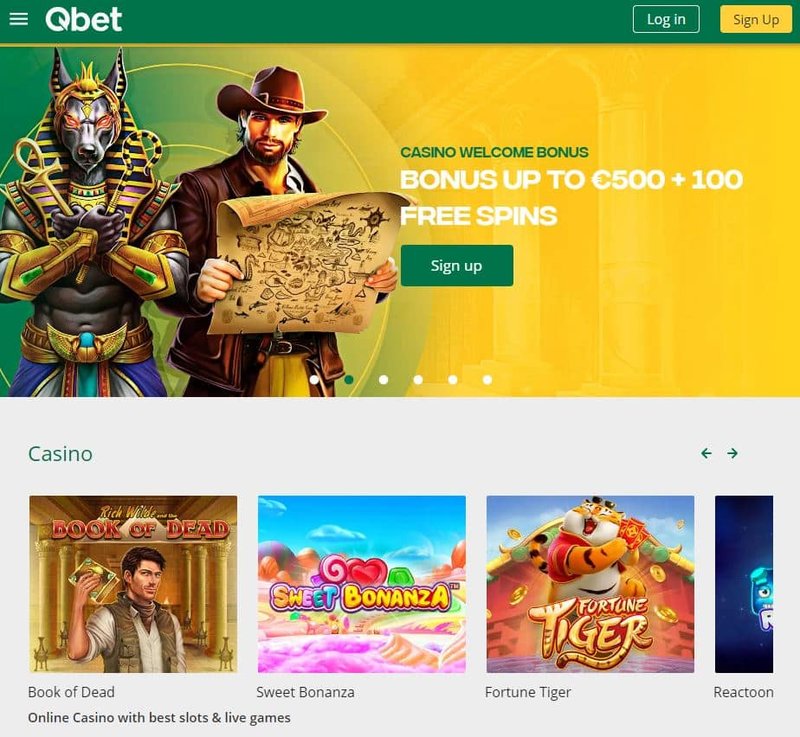
While cloud gaming reshapes how we spend Saturday evenings, it also fits neatly into the broader landscape of online entertainment. For those who enjoy a quick wager between matches, platforms like q bet offer a convenient way to add a little extra excitement without leaving the comfort of the couch.
Which Service Fits Your Weekend?
If you prioritize ultra‑sharp visuals and have a generous data allowance, the premium 4K tier is worth the £19.99 price tag. For gamers who value a broader catalogue and are comfortable with occasional 108p, the basic plan at £9.99 delivers the best value. And if you’re willing to juggle two subscriptions, you’ll cover almost every genre without feeling restricted.
In the end, the decision hinges on three factors: your tolerance for latency, your data budget, and the specific games you want to play. By measuring these variables, you can turn any weekend into a seamless, cost‑effective gaming experience.
Frequently Asked Questions
Why is cloud gaming better for short weekend sessions?
Cloud gaming eliminates hardware limits, so you can play high‑end games without overheating or lag.
Do I need a powerful PC to enjoy cloud gaming?
No, a stable internet connection is enough; the heavy lifting is done in the cloud.
Is the experience truly instant on the cloud?
Yes, once you launch a game, you can play almost immediately, unlike waiting for a laptop to boot.
Comments are closed, but trackbacks and pingbacks are open.